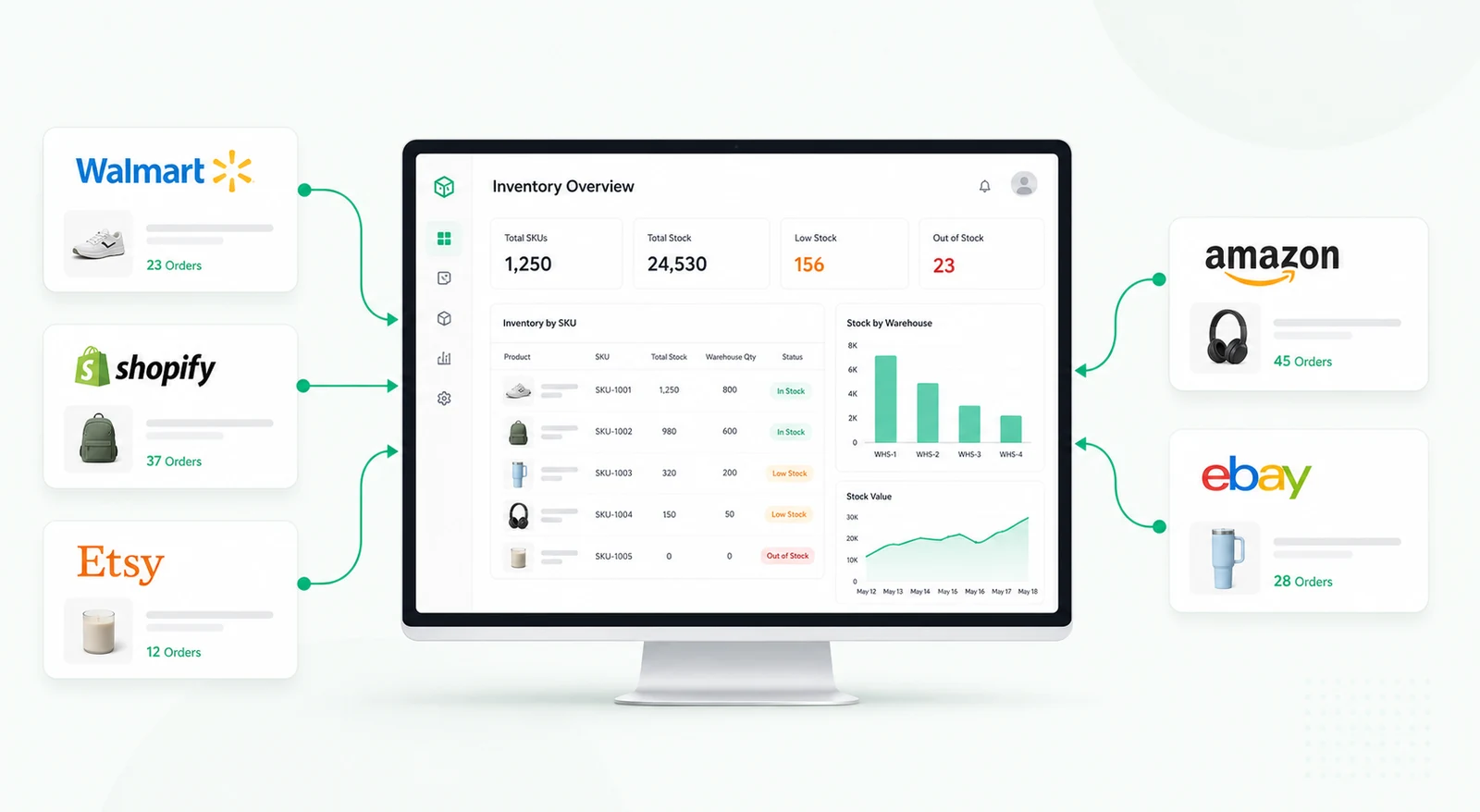
A unified dashboard to monitor supplier KPIs, analyze trends, and drill down into detailed performance data from multiple sources.


Supplier performance is usually measured across several disconnected systems. Delivery data may live in an ERP, quality checks in spreadsheets, purchase orders in a database, and support issues in a helpdesk. Without a unified view, teams struggle to understand whether a supplier is improving, declining, or creating hidden operational costs.
A supplier performance dashboard combines these signals into one scorecard. Procurement, operations, and supply chain managers can compare suppliers consistently, investigate problems, and make sourcing decisions using shared data instead of isolated reports.
Each supplier can be evaluated using a set of operational and commercial metrics. Common measures include on-time delivery, lead-time variance, defect rate, order accuracy, fill rate, support response time, rejected shipments, open incidents, and total spend.
The dashboard can calculate an overall supplier score while still showing the individual metrics behind it. This prevents a strong result in one category from hiding recurring problems in another. Managers can also adjust metric weightings by supplier type, category, region, or business priority.
A portfolio view allows users to rank suppliers and compare their current performance with previous periods. Color-coded status indicators can highlight suppliers that are meeting expectations, moving toward risk, or already below target.
Trend charts make it easier to see whether late deliveries, defects, or service issues are isolated incidents or part of a longer pattern. Teams can filter results by date range, product category, region, warehouse, business unit, or contract.
Users can open a supplier record to review recent purchase orders, delivery history, inspection results, incidents, contracts, notes, and open corrective actions. A detailed view makes it possible to move from a high-level score to the exact transactions creating the result.
This is especially useful during supplier reviews. Instead of manually assembling evidence from several systems, the team can work from one current record showing performance history and unresolved issues.
The dashboard can trigger alerts when a supplier falls below an agreed target, misses several deliveries, records a high defect rate, or leaves corrective actions overdue. Notifications can be sent to the category manager, operations owner, or supplier-management team.
Corrective actions can be created directly from the dashboard, assigned to an owner, and tracked through completion. The resulting activity history provides accountability and helps the team assess whether supplier commitments led to measurable improvement.
Retool can connect to PostgreSQL, ERPs, purchasing systems, spreadsheets, quality databases, and support platforms such as Zendesk. Queries can join data from these sources and calculate the KPIs required for each supplier.
Tables, charts, metric cards, filters, and modal views can support both executive reporting and detailed operational review. Role-based permissions can restrict contract information or commercial data while allowing wider teams to see the operational metrics they need.
A supplier performance dashboard is an internal tool that combines delivery, quality, support, purchasing, and risk data to evaluate and compare suppliers.
Typical KPIs include on-time delivery, lead-time variance, defect rate, order accuracy, fill rate, incident volume, response time, spend, and corrective-action completion.
Yes. Metric weights and targets can be adjusted by category, supplier tier, contract, region, or business unit.
Yes. Retool can connect to ERP databases and APIs, as well as spreadsheets, quality systems, procurement tools, and helpdesks.
Yes. Alerts can be triggered when KPIs cross thresholds, incidents repeat, or corrective actions become overdue.
A restricted supplier portal can be created to share selected scorecards, actions, documents, and review outcomes without exposing other vendors or internal information.
For related procurement workflows, explore the supplier quote comparison panel and procurement spend dashboard.
We're officially approved by Retool and proud to be an agency partner!

Visit our blog to learn more about our innovative approaches to solving complex challenges.